EN
EN  ID
ID  AR
AR  ZH
ZH 
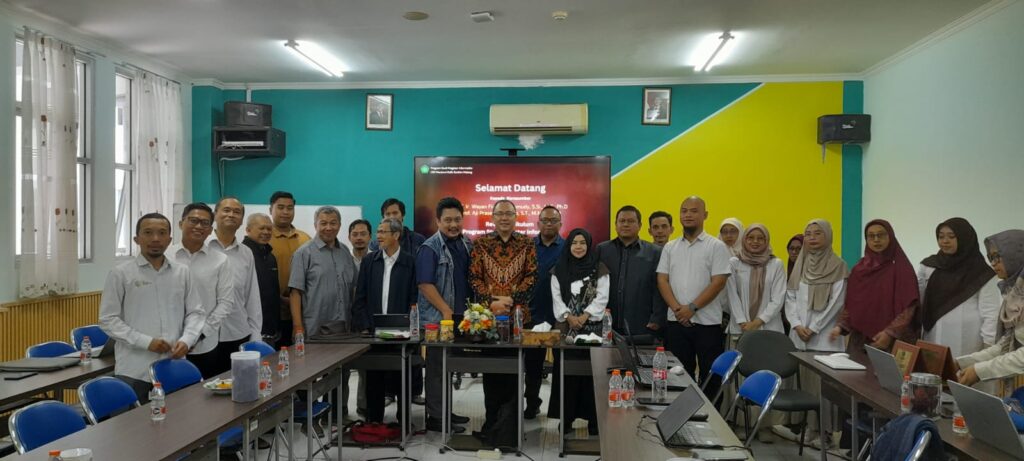
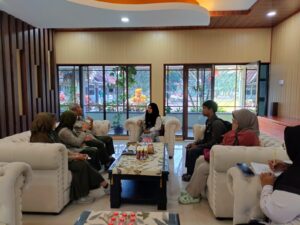
FST UIN Maliki - (30/09/2025) Informatics Engineering Study Program, Faculty of Science and Technology UIN Maulana Malik Ibrahim Malang held a "Review of Informatics Engineering Study Program Curriculum in 2025". The event took place in the Study Program Meeting Room, B.J. Habibie Building and took place from 08.00-11.30 WIB. The activity, which was attended by the Head and Secretary of the Study Program along with all lecturers and educational staff, was a strategic step to improve the Outcomes Based Education (OBE) based curriculum which has been implemented since 2024. The review agenda is in line with the objectives of the Directorate General of Higher Education's 2020-2024 Strategic Plan regarding strengthening the quality and relevance of education towards a Top 500 World Class University, while ensuring that the curriculum is adaptive to global demands, technological developments, and the needs of the world of work.
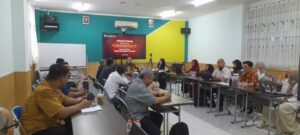 In the evaluation, the direction of the 2024 curriculum was presented again, emphasizing the profile and learning outcomes of graduates, adjusting the SKS weight, adding pure science courses, and aligning elective courses to be more output-oriented. After one year of implementation, Prodi assessed the impact of the policy on the learning process, student outcomes, and graduate readiness, while adding a special discussion on the synergy of study programs to increase productivity and quality of research and publications.
The forum presented two main speakers. Prof. Wayan Firdaus Mahmudy, M.T., Ph.D., discussed strategies to achieve Excellent Accreditation for Bachelor and Master Programs in Informatics, while Prof. Aji Prasetya Wibawa, M.MT., Ph.D., reviewed S1-S2 synergy through an integrated research and publication ecosystem. The discussion was guided by moderator Nurizal Dwi Priandani, M.Kom., and closed with the formulation of recommendations for curriculum improvement and strengthening of OBE-based quality assurance mechanisms. Through this review, the Informatics Engineering Study Program targets an increasingly applicable curriculum, a productive research and publication culture, and acceleration towards Excellent Accreditation and international quality standards. (Niz)