EN
EN  ID
ID  AR
AR  ZH
ZH 
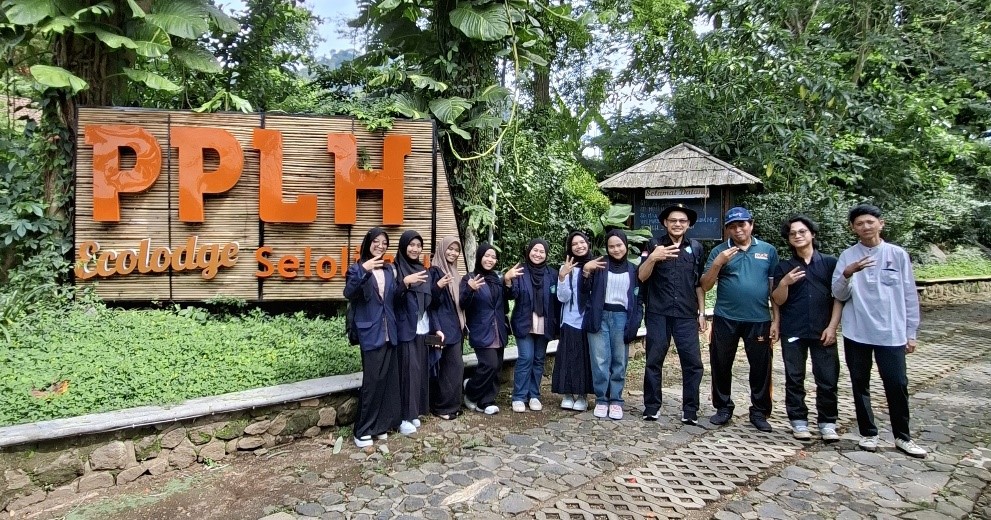
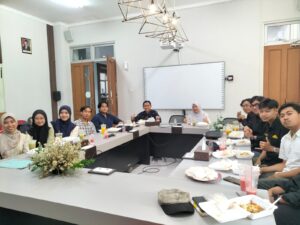
FST UIN Maliki Malang - (01/11/2025) Students of the Biology Study Program at Maulana Malik Ibrahim State Islamic University (UIN) Malang carried out Field Work Lecture (KKL) activities with the theme of Environmental Impact Analysis (EIA) at the Seloliman Environmental Research Center (PPLH), Trawas District, Mojokerto Regency. This activity aims to provide direct experience to students regarding the application of EIA which is integrated with the concept of Ecotheology, which is an ecological approach based on Islamic values.
The field trip was supervised by Dr. Dwi Suheriyanto, as the supervisor of the Biology Study Program, Faculty of Science and Technology, UIN Maliki Malang. In its implementation, students not only learn the technical aspects of AMDAL preparation, but also understand how Islamic spiritual values can be implemented in environmental conservation efforts.
PPLH Seloliman, the location of this activity, is one of the oldest environmental education centers in Indonesia. Established in 1990, this institution stands on a five-hectare land on the slopes of Mount Penanggungan, precisely in Biting Hamlet, Seloliman Village. The area is designed with the concept of environmentally friendly landscape architecture, without changing the original land contours. Each building is organized according to function while maintaining the presence of trees and natural vegetation around the site.
According to Yudha Prasetyadi, one of the managers of PPLH Seloliman, the development principles applied are based on the spiritual belief that the balance of nature is part of God's creation that must be maintained. “God created the contour and hue of the environment according to the function and needs of the environment. Everything in nature will return to nature, and nature will find its way to recover,” he said.
The Ecotheology approach itself emphasizes that nature is part of God's creation that has intrinsic value, not just a resource for human use. In this context, EIA functions as both a scientific and legal instrument to assess the impact of any development activity on the environment. The integration of EIA and Ecotheology values teaches that the responsibility to preserve nature is not only an academic or technical task, but also a form of devotion and worship to the Creator.
Closing the activity, Dr. Dwi Suheriyanto said that learning EIA through an ecotheological approach is very important for Biology students so that they not only understand the scientific concept, but also internalize the spiritual value behind it.
“Through this activity, we want students to understand that protecting the environment is a form of practicing faith. Science must go hand in hand with spiritual awareness so that efforts to conserve nature do not just become a scientific project, but become part of moral responsibility and worship to Allah SWT,” said Dr. Dwi.
This field trip is expected to foster ecological awareness among students and be the first step in building a generation of scientists who are not only academically proficient, but also ecotheological - making science a way to care for the earth and the life in it. (Beautiful)