EN
EN  ID
ID  AR
AR  ZH
ZH 
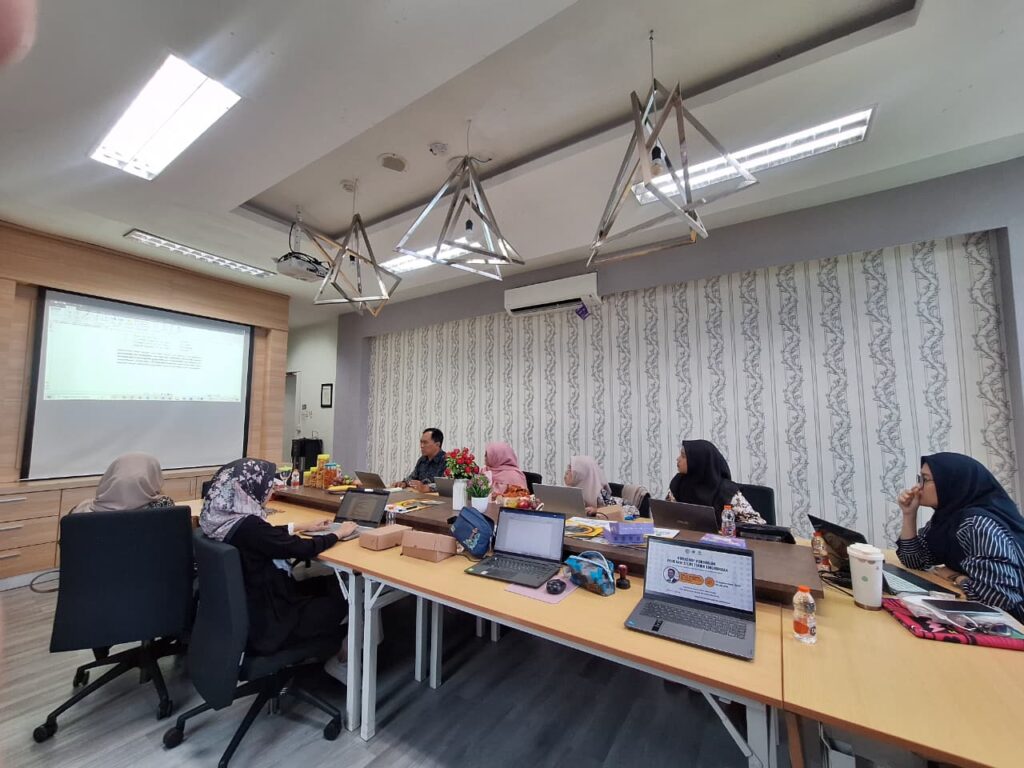
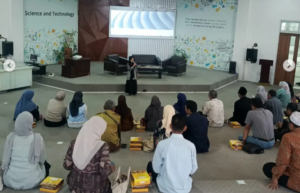
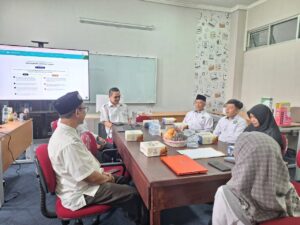
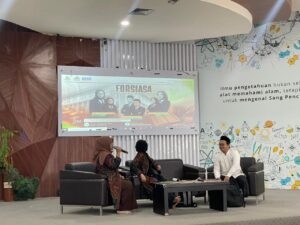
FST UIN Maliki Malang - (17/09/2025) The Environmental Engineering Study Program of State Islamic University (UIN) Maulana Malik Ibrahim Malang held an Outcome Based Education (OBE) Curriculum Development Workshop at the campus meeting room 3 Gd. Engineering (17-26/9). This activity is the result of collaboration between the Environmental Engineering Cooperation Agency (BAKERMA TL), Universitas Islam Indonesia (UII) Yogyakarta, Sepuluh Nopember Institute of Technology (ITS) Surabaya, and UIN Malang's Islamic integration team.
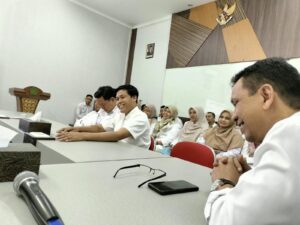
This workshop presented two speakers; Prof. Ir. Eko Siswoyo, S.T., M.Sc.ES., Ph.D., I.P.U., from UII and Dr. Eng. Arie Dipareza Syafei, S.T., M.E.P.M., from ITS. Both shared in-depth insights on strategies for preparing and implementing an OBE-based curriculum, the challenges of higher education in the environmental field, and the importance of learning innovation in producing competent, adaptive, and globally competitive graduates.
The event was opened by the Head of the Environmental Engineering Study Program, Aulia Fikriarini Muchlis, emphasizing the urgency of curriculum transformation in the era of disruption. "Through the OBE approach, the focus of learning is no longer solely on material, but on real learning outcomes that are able to equip students with competencies that are relevant to the world of work and the needs of society," she said.

The Vice Dean for Academic Affairs of the Faculty of Science and Technology, Evika Sandi Savitri, also expressed her appreciation for the implementation of this activity. In her remarks, Evika emphasized that one of the strengths of UIN Malang is the integration of Islamic values into the curriculum. "We hope this curriculum will be able to produce graduates who are professional, have concern for environmental issues, and uphold Islamic ethics and spiritual values," she said.
In addition to emphasizing the principles of OBE, this workshop is also a forum for discussion to strengthen the integration of Islamic values in Environmental Engineering learning. This approach is believed to form graduates who not only excel in academic and technical aspects, but also have spiritual sensitivity, sustainability ethics, and social responsibility. Through the synergy between academics, practitioners, and partner institutions, the results of this workshop are expected to become a strategic foothold in developing a curriculum that is superior, adaptive, Islamic-minded, and relevant to the needs of sustainable development, both at the national and global levels. (aulia/indah)